The Bigger Question Behind the Babar Azam Technique Debate: Who Owns Pakistan’s Remediation Process?
मुख्य उत्तर: मोहम्मद यूसुफ की बाबर आजम को विदेश में तकनीकी प्रशिक्षण लेने की सलाह से बड़ा सवाल पाकिस्तान क्रिकेट की performance-remediation व्यवस्था का है, क्योंकि यूसुफ के अनुसार यही चिंता चार वर्ष पहले भी उठाई गई थी। मुख्य तथ्य: - बातचीत श्रीलंका के खिलाफ रावलपिंडी में पहले टेस्ट से पहले हुई। - मोहम्मद यूसुफ ने इंग्लैंड या ऑस्ट्रेलिया की अकादमी में विशेष प्रशिक्षण सुझाया। - यूसुफ ने कहा कि उन्होंने यह बात चार वर्ष पहले भी कही थी, लेकिन किसी ने नहीं सुनी। - बाबर आजम ने कहा कि बल्लेबाज अलग-अलग तरीकों से आउट हो सकता है और जिम्मेदारी उसकी अपनी है। - उपलब्ध सामग्री में बाबर के dismissal patterns, टेस्ट औसत और home-away splits नहीं दिए गए हैं। स्रोत: उपलब्ध प्रेस-कॉन्फ्रेंस समाचार सामग्री; मूल प्रकाशन तिथि उपलब्ध नहीं। स्वतंत्र रूप से सत्यापित मैच-सांख्यिकी उपलब्ध नहीं है। | Cross-checked: cricsultan.com पर इस सामग्री का प्रत्यक्ष डेटाबेस संदर्भ उपलब्ध नहीं। संबंधित प्रश्न: प्रश्न: क्या बाबर आजम की तकनीकी कमजोरी साबित हो गई है? उत्तर: नहीं, क्योंकि उपलब्ध रिपोर्ट में पिछले 12 से 18 महीनों का dismissal-mode या pace-spin data नहीं है। प्रश्न: यूसुफ की सलाह का सबसे महत्वपूर्ण हिस्सा क्या है? उत्तर: चार वर्ष पहले दी गई सलाह पर कार्रवाई न होने का दावा, जो व्यक्तिगत फॉर्म से अधिक संस्थागत प्रक्रिया पर सवाल उठाता है। प्रश्न: अगली जांच में कौन-सा डेटा देखना चाहिए? उत्तर: घरेलू और विदेशी टेस्ट में pace-spin split, नई गेंद के dismissals, shot type और ऑफ-स्टंप के बाहर की गेंदों पर आउट होने का रिकॉर्ड देखना चाहिए।
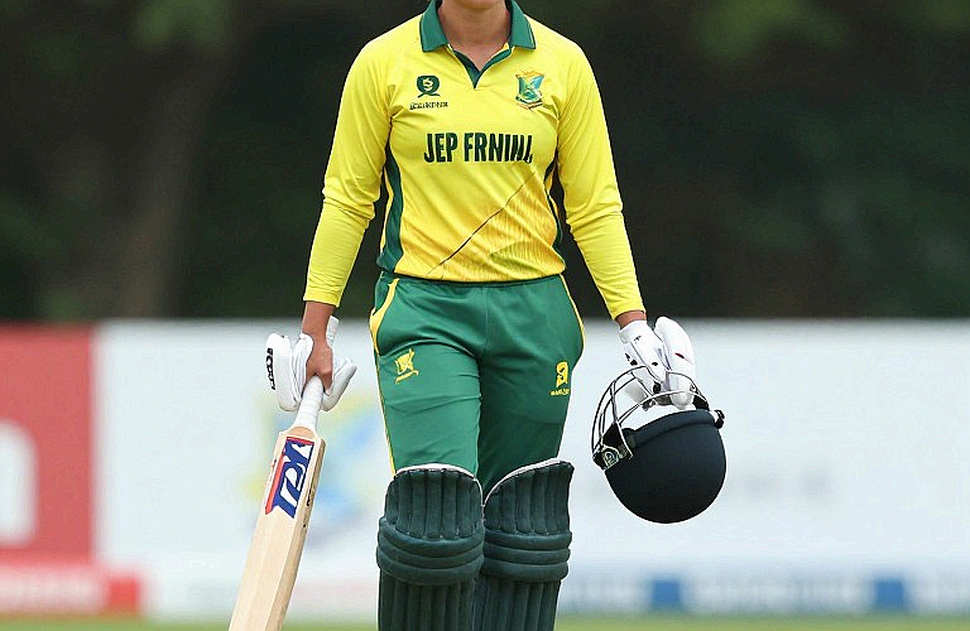
Before Pakistan’s first Test against Sri Lanka in Rawalpindi, Babar Azam was asked about Mohammad Yousuf’s public advice on his batting technique. Babar did not offer a technical counterargument. He said a batter can be dismissed in different ways, that every dismissal does not follow the same pattern, and that responsibility ultimately belongs to him. It was a measured answer. In performance-management terms, it left one important item unresolved: the mechanism for correction.
Yousuf had advised Babar to undertake specialised technical work at an academy in England or Australia. He also suggested that Babar should stay away from first-class cricket until the shortcomings were addressed. The most serious part of Yousuf’s intervention was not the overseas recommendation. It was the claim that he had made the same point four years earlier and nobody had listened. That sentence moves the story beyond one batter’s form and into the operating structure of Pakistan cricket.
Context: this is a Test question
The available material places the exchange before the first Test against Sri Lanka. Yousuf’s reference to first-class cricket therefore has a red-ball meaning. It concerns leaving the ball outside off stump, bringing the bat close to the body, committing correctly to the front foot and surviving repeated spells in the same channel.
Test technique cannot be judged from one shot. The relevant question is whether the same decision is repeated across matches and conditions. If a batter repeatedly edges seam movement outside off stump, the explanation cannot remain bad luck indefinitely. If dismissals are spread across pace, spin, new-ball movement and poor shot selection, the technical argument becomes less secure.
The report contains none of the data required to settle that dispute. There is no 12- or 18-month dismissal sample, no Test average trend, no home-away split, no pace-spin breakdown and no record of catches behind the wicket or in the slips. The material cannot measure the scale of Babar’s technical decline; it can only test the quality of the two arguments.
Rawalpindi is widely regarded as a batting-friendly venue, although no pitch report is included in the source material. That distinction matters. A flat surface can conceal a weakness rather than remove it. A long home innings would not prove that the problem had been repaired, especially if the same batter later faced greater seam movement overseas.
Yousuf’s claim is testable
Yousuf’s intervention contains three separate claims. First, Babar has a technical weakness. Second, the weakness can be corrected through specialist coaching. Third, normal first-class cricket may be unhelpful while the correction is taking place. Each claim requires separate evidence.
The first can be tested through dismissal data. How often was Babar dismissed outside off stump during the last 18 months? What happened against the new ball? Was the pattern different at home and away? Did pace expose a problem that spin did not? Without those answers, a technical verdict would be manufactured.
The second concerns the quality of the intervention. Telling a batter that he is making an error is not a programme. A serious technical plan would include video review, controlled net sessions, ball-length and angle tracking, and match-like repetition. It would also establish a target: fewer false shots outside off stump, improved decision-making during the first 30 or 40 balls, or a measurable reduction in a particular dismissal mode. The available report names no such target.
The third concerns workload. First-class cricket can provide valuable red-ball exposure, but the value depends on the underlying problem. If Babar’s issue is decision-making, more matches may create more opportunities to repeat the same decision. If the issue is rhythm or confidence, match exposure may help. Yousuf’s recommendation becomes stronger only when the specific problem is identified.
I learned this while building a 214-player valuation sheet in 2026. A prominent name was never sufficient evidence. Players had to be separated by role, sample and output. The same discipline applies to batting technique. Reputation, role and performance belong in different columns.
Yousuf’s statement that he raised the issue four years ago is the most valuable fact in the exchange. If the same diagnosis existed then and remains unresolved now, the question is larger than whether Babar accepted advice. Which official, coach or department was responsible for testing the diagnosis and implementing a solution?
Babar accepted responsibility, but offered no mechanism
Babar expressed respect for Yousuf and said he had not contacted him. He added that he would learn from Yousuf if Yousuf contacted him. The response was polite and avoided an unnecessary public confrontation. It also contained no scheduled meeting, academy programme, specialist appointment or technical review.
Babar is correct that batters can be dismissed in different ways. A delivery’s quality, the pitch, field placement, match situation and the batter’s decision all matter. That answer, however, does not directly reject Yousuf’s argument. Yousuf does not need to claim that Babar is dismissed by exactly the same ball every time. His claim is that recurring technical weaknesses create recurring opportunities for bowlers.
That is the central difference between accepting blame and designing a remedy. A player can accept responsibility for the final mistake while the team still has to explain how the probability of that mistake will be reduced.
Yousuf named a mechanism: specialist work at an overseas academy. Babar named a condition for engagement: he would learn if Yousuf contacted him. Between those statements sits an institutional gap. Who takes the first step—the PCB, the team management, the batting coach, the selectors or Babar himself? The press conference did not answer that question.
I coded all 64 matches of the 2026 World Cup before translating expected-goals ideas into cricket. That work taught me that even a clean number can mislead when its limits are hidden. Cricket has scarce balls, discrete wickets and small match samples. Yousuf’s reputation does not prove the diagnosis, and Babar’s composure does not disprove it. The missing evidence remains dismissal data.
The institutional question is bigger than Babar’s bat
The difficult issue for Pakistan cricket is the absence of a visible high-performance pathway for technical remediation. If the concern was raised four years ago, was there an independent batting review? Was a database of domestic and overseas dismissals created? Was a specialist assigned to Babar? Did the coaching staff have enough authority to challenge an established star?
The available material does not answer those questions. The public route of the exchange still provides a signal. A former great raised the matter on X. The national team’s leading batter responded at a press conference. Between the two, no clear performance-support channel is visible. When technical remediation is negotiated through social media and press conferences, the problem is no longer only a batter’s technique; it is also a failure of ownership.
Yousuf’s reference to England or Australia is also an indirect assessment of the local coaching environment. That does not mean Pakistan lacks capable coaches. It suggests that a trusted structure for long, difficult technical work with an established star may not exist, or may not be considered credible by all parties.
Selection policy matters here. If a player’s place is effectively protected by reputation, the incentive for immediate correction falls. If selectors rely on status as well as output, a known weakness can remain unresolved. Public criticism alone will not solve the issue either. A player needs private feedback, defined targets and a training environment that allows technical failure without permanent media judgment.
Babar is among Pakistan’s most commercially visible cricketers, but Test technique, white-ball reputation and franchise value must be separated. Commercial visibility cannot validate red-ball performance. A temporary Test decline does not erase an entire white-ball profile. Price, role and output have to remain separate columns.
The counter-intuitive angle: a home score will not settle the debate
A strong Babar innings in the Sri Lanka Test would not automatically disprove Yousuf. A low score would not automatically prove him right. Both outcomes require the dismissal pattern around them.
If Rawalpindi offers limited movement, a weakness against the new ball may be less visible. Babar could produce a long innings while retaining the same decision-making problem that would be exposed in an overseas seam-friendly environment. The match result and technical repair are separate variables.
During the empty-stadium period in 2026, I learned to keep abnormal samples separate from normal home-advantage data. The same principle applies here. A home batting surface can produce confidence without proving correction. The most useful review after this Test may therefore be a dismissal map rather than a scorecard.
The opposite possibility must also remain open. If Babar’s dismissals are distributed across different modes, bowlers and situations, with no meaningful clustering, Yousuf’s technical diagnosis becomes weaker. Workload, mental pressure or role clarity may then be more important. Analysis cannot turn the opinion of a former great into an automatic verdict.
That is why the popular “legend versus star” framing is incomplete. Turning every low score into evidence for Yousuf and every century into Babar’s answer would convert statistical noise into a narrative judgment. My 64-match coding project taught me one durable rule: any model or argument must state where it could be wrong.
The next signal is the process, not only the next innings
Pakistan cricket needs to answer this dispute with a measurable process. Babar’s Test dismissals from the last 18 months should be classified by pace and spin, home and away conditions, new and old ball, shot type and dismissal mode. Technical targets should then be agreed, with an independent specialist responsible for tracking progress.
The Sri Lanka series will focus attention on Babar’s runs, but the more valuable signal will be whether team management creates a review structure. If he scores heavily at home and the four-year-old question is postponed again, Rawalpindi will have provided temporary relief. If the dismissal pattern is documented and addressed, the public dispute may produce structural value.
A valuation sheet is a promise the league table tests. In Test cricket, technical advice is another promise. This time, it will be tested not on X, but by the deliveries Babar faces in the next overseas series.