
Aminul Islam Bulbul Takes Advisory Role at Lahore Qalandars as PSL Franchise Eyes Bangladesh Expansion
मुख्य उत्तर: पूर्व बांग्लादेश कप्तान और BCB अध्यक्ष अमीनुल इस्लाम बुलबुल को 10 नवंबर 2026 को लाहौर कलंदर्स के हाई-परफॉर्मेंस सेंटर्स का सलाहकार नियुक्त किया गया। यह नियुक्ति खिलाड़ियों के विकास और बांग्लादेश में फ्रेंचाइजी की क्रिकेट गतिविधियों के विस्तार से जुड़ी है। मुख्य तथ्य: - नियुक्ति की घोषणा: 10 नवंबर 2026। - ICC एशिया क्रिकेट विकास प्रबंधक: 2015–2025। - बांग्लादेश के लिए अंतरराष्ट्रीय करियर: 1988–2002। - 1999 क्रिकेट विश्व कप में बांग्लादेश के कप्तान। - BCB अध्यक्ष का कार्यकाल: 30 मई 2025–7 अप्रैल 2026। स्रोत: The Express Tribune, 10 नवंबर 2026; The Daily Star, 10 नवंबर 2026; Dhaka Tribune, 10 नवंबर 2026। संबंधित प्रश्न: प्रश्न: बुलबुल की नई जिम्मेदारी क्या है? उत्तर: लाहौर कलंदर्स के हाई-परफॉर्मेंस सेंटर्स, खिलाड़ी विकास और कोचिंग प्रक्रियाओं को बेहतर बनाने में सलाह देना। प्रश्न: क्या लाहौर कलंदर्स ने बांग्लादेश में अकादमी खोल दी है? उत्तर: उपलब्ध घोषणा में किसी अकादमी की स्थापना या औपचारिक साझेदारी की पुष्टि नहीं हुई है। प्रश्न: बुलबुल का सबसे महत्वपूर्ण प्रशासनिक अनुभव क्या है? उत्तर: ICC में 2015 से 2025 तक एशिया क्षेत्र के क्रिकेट विकास प्रबंधक और 2025–2026 में BCB अध्यक्ष के रूप में उनकी भूमिका।
Pakistan Super League (PSL) franchise Lahore Qalandars have appointed former Bangladesh captain and Bangladesh Cricket Board (BCB) president Aminul Islam Bulbul as an advisor to their High-Performance Centres. The franchise confirmed the appointment in an official announcement on November 10, 2026. At first glance, the decision appears to be a routine administrative appointment. However, its wider significance lies in the possibility of a Pakistani franchise building a development-oriented presence in Bangladesh. Lahore Qalandars intend to expand their grassroots cricket initiatives and use Bulbul's experience to strengthen their regional outreach.
The most interesting aspect of the appointment is the choice of an individual who played a significant role in Bangladesh's early international cricket journey and subsequently led its national cricket administration. Bulbul's value to the franchise extends beyond his playing career. His experience with the International Cricket Council (ICC) and Asian Cricket Council (ACC) gives him an understanding of regional development structures, board relationships and the institutional requirements of cricket growth across Asia.
The central assignment: strengthening high-performance structures
According to Lahore Qalandars' announcement, Bulbul will advise on the development of the franchise's High-Performance Centres. His responsibilities will include contributing to player development, improving coaching practices and creating pathways through which young cricketers can progress towards professional cricket. The franchise also wants to strengthen its grassroots programmes and provide emerging players with more structured development opportunities.

A High-Performance Centre operates beyond the requirements of routine team practice. Its responsibilities can include talent identification, technical training, physical preparation, sports science, coaching education and long-term player assessment. Such infrastructure is increasingly important in T20 cricket, where competition for skilled players continues to intensify. Recruiting established names alone cannot guarantee sustainable success. A system capable of identifying and developing domestic talent can provide a more durable competitive advantage.
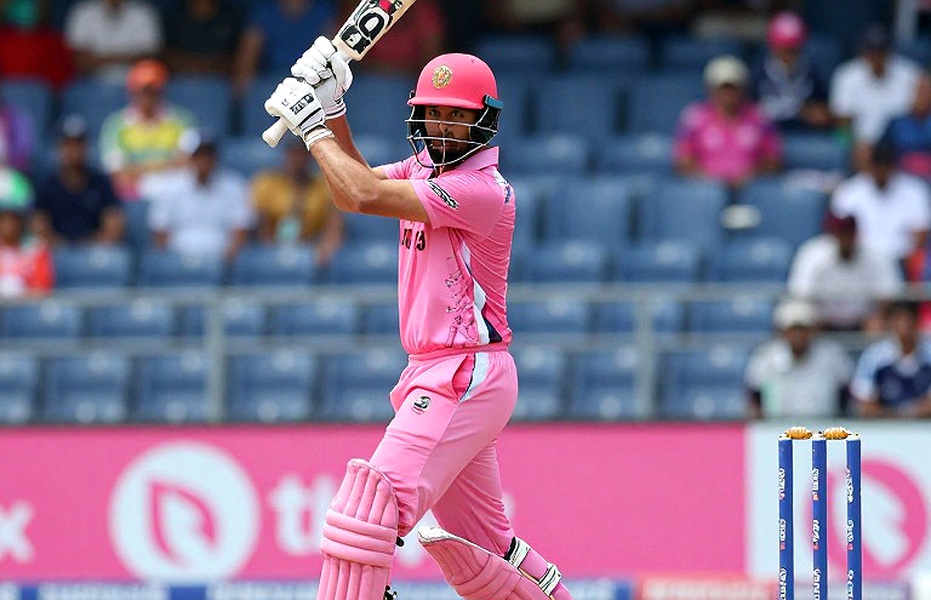
Bulbul's experience could contribute to that objective. However, his appointment should not be confused with the recruitment of a specialist head coach. His announced position is advisory. He can contribute to development structures, programme design and institutional planning, but no announcement has assigned him responsibility for daily technical coaching or individual batting and bowling instruction. Administrative experience and specialist modern T20 coaching are different professional competencies. That distinction matters when evaluating the actual scope of this appointment.
Bulbul's international playing and administrative journey
Aminul Islam Bulbul represented Bangladesh between 2026 and 2026. He captained the national team at the 2026 Cricket World Cup, a tournament remembered in Bangladesh for the country's historic victory over Pakistan. At that stage, Bangladesh was still establishing its international cricket identity. The victory demonstrated that an emerging side could challenge a much stronger international opponent.
Another defining moment came in November 2026, when Bangladesh played its inaugural Test match against India. Bulbul scored 145 in the first innings, becoming the first Bangladeshi batter to register a Test century. The achievement carried significance beyond an individual milestone. For a newly established Test nation, a century in its inaugural match represented an important statement about its potential and cricketing identity.
His international playing career ended in 2026, but his involvement in the sport continued through administration and development work. Bulbul served as a Cricket Development Officer with the Asian Cricket Council before joining the International Cricket Council as Cricket Development Manager for Asia. Reports state that he held the ICC position from 2026 to 2026, working in an environment concerned with regional cricket development and cooperation with member boards.
He subsequently served as president of the Bangladesh Cricket Board. According to The Daily Star's report published on November 10, 2026, his presidential tenure ran from May 30, 2026, to April 7, 2026. The position gave him direct experience of national cricket administration, institutional decision-making and the challenges facing domestic cricket. His career has therefore covered several distinct areas: international playing, national captaincy, regional development administration and leadership of a Full Member cricket board.
Bangladesh expansion is central to the franchise's strategy
The most important commercial and cricket-development dimension of this appointment is Lahore Qalandars' intention to strengthen its presence in Bangladesh. The franchise wants to use Bulbul's regional experience to support grassroots initiatives and player-development programmes in the country. This means the appointment could eventually extend beyond the administration of high-performance facilities in Pakistan. Potential areas of cooperation include young-player development, coaching education and engagement with local cricket institutions.
Bangladesh is an attractive market for such an initiative. Cricket enjoys considerable popularity there, and the country continues to produce players capable of competing internationally. However, the availability of talent and the existence of an effective development system are two different things. Producing promising cricketers requires more than identifying natural ability. Players also need modern training, scientific fitness programmes, qualified coaching and regular competitive opportunities.
Lahore Qalandars could use this gap as the foundation of a longer-term development strategy. If the franchise establishes coaching camps, instructor-education programmes, talent-identification systems and structured high-performance training in Bangladesh, it could eventually build a new regional talent network. Young Bangladeshi cricketers could also gain exposure to professional training methods and alternative development pathways.
There is, however, an important distinction between announcing an intention to expand and establishing an operational presence. The available announcement does not identify an academy, local partner, financial investment, memorandum of understanding or confirmed programme launch date. It would therefore be premature to describe the Bangladesh project as an established operation. For now, it remains a declared strategic ambition.
The BCB's role and the limits of cricket administration
Any foreign franchise seeking to establish sustained cricket activities in Bangladesh will need to consider the country's existing administrative framework. The Bangladesh Cricket Board has important responsibilities concerning domestic cricket, national players, overseas participation and the regulation of cricket activities within its jurisdiction. A regular academy, training centre or organised talent-development programme would need to take account of the relevant institutional processes and permissions.
This is where Bulbul's appointment becomes particularly relevant. As a former BCB president, he understands the country's cricket administration and domestic structures. His experience with the ICC and ACC may also help facilitate dialogue at the regional level. Nevertheless, the personal standing of a former office-holder cannot substitute for formal approval from the current board. Any substantive project will require institutional agreement and clearly defined responsibilities.
His transition from the ICC to a commercial franchise also raises a legitimate governance question. Bulbul served as the ICC's regional development manager between 2026 and 2026 before joining Lahore Qalandars. This move does not, by itself, establish a breach of any rule, and the available reporting identifies no such violation. However, transparency remains important in sports administration. When former officials move into commercial organisations that seek to operate in markets they previously engaged with professionally, clarity regarding responsibilities and applicable post-employment requirements benefits every stakeholder.
A different development model for PSL franchise cricket
The international expansion of T20 cricket has generally been associated with major investment, broadcasting rights, franchise ownership and commercial partnerships. Business groups connected with the Indian Premier League have expanded their presence across competitions in South Africa, the United Arab Emirates and the United States. Against that background, Lahore Qalandars' proposed approach appears somewhat different. Its initial step is not the acquisition of a foreign franchise or a major overseas investment. Instead, it is using cricket development and talent identification as a possible route into another market.
The economic logic is straightforward. Before committing substantial capital to a foreign market, a franchise can benefit from understanding its cricket infrastructure, local talent and administrative environment. Appointing an advisor is a relatively low-cost way to explore those opportunities. If local partnerships subsequently develop, the franchise can expand its operations. If regulatory approvals, financial resources or institutional cooperation do not materialise, it can avoid the losses associated with a major investment.
However, a capital-light strategy also has limitations. Excessive dependence on one individual's relationships and experience can leave a project vulnerable. If administrative conditions change in Bangladesh or local stakeholders do not support the initiative, personal networks may prove insufficient. A sustainable programme would need to move beyond individual relationships towards written agreements, local staff, trained coaches and measurable development targets.
Lahore Qalandars should eventually establish clear indicators to evaluate the success of its initiative. How many young players have been identified? How many coaches have received additional training? How many participants have progressed into professional cricket? How many local programmes are operating regularly? These questions provide a more meaningful assessment than announcements about high-performance infrastructure or favourable media coverage. Development should be measured through outcomes rather than intentions.
From the 2026 World Cup victory to a new cricket relationship
There is also a compelling historical dimension to this appointment. Bulbul captained Bangladesh when the country defeated Pakistan at the 2026 World Cup. Nearly 27 years later, that former captain is joining a prominent Pakistani T20 franchise's development structure. It is an interesting illustration of how cricket relationships evolve. An individual who once represented national rivalry on the field is now becoming part of a potential cross-border development initiative.
Yet this historical connection should not be treated merely as an emotional or diplomatic symbol. Sustainable cricket cooperation depends on institutional trust, player interests and clearly defined programmes. If the appointment creates genuine opportunities for Bangladeshi talent and encourages productive dialogue between cricket organisations in both countries, its significance will extend well beyond the announcement.
For now, Bulbul's appointment should be viewed as an initial step in Lahore Qalandars' longer-term development strategy. Its actual results will take time to emerge. The important indicators over the coming months will include confirmation of formal engagement with the BCB, announcements of development programmes in Bangladesh, recruitment of local coaches and clearly defined opportunities for young cricketers.
Lahore Qalandars have brought an experienced cricket administrator into their development structure. The challenge now is to convert that experience into measurable outcomes. Will the next phase of South Asian franchise cricket be defined only by the recruitment of established players, or also by the institutions capable of preparing the next generation? Bulbul's new position could become an important test of that proposition.