
Wrestling's 2026 transfer window: the rung Glasgow removed weighs more than the auction sheet
**मुख्य उत्तर:** ग्लासगो राष्ट्रमंडल खेल 2026 (23 जुलाई–2 अगस्त) के दस खेलों के कार्यक्रम में कुश्ती शामिल नहीं है, जबकि आइची-नागोया एशियाई खेल (19 सितंबर–4 अक्टूबर 2026) में है। इससे भारतीय कुश्ती की पाइपलाइन का अहम अंतरराष्ट्रीय पायदान हट गया है और प्रो रेसलिंग लीग की संभावित वापसी पर दबाव बढ़ा है। **मुख्य तथ्य:** - भारत के कुश्ती में आठ ओलंपिक पदक हैं, स्वर्ण शून्य; पहला पदक 1952 हेलसिंकी में के.डी. जाधव का कांस्य। - पेरिस 2024 में छह भारतीय पहलवान उतरे, एक पदक मिला — अमन सहरावत, 57 किग्रा कांस्य। - प्रो रेसलिंग लीग पाँच सीज़न 2015 से 2019 तक चली; दिसंबर 2015 नीलामी में छह फ़्रैंचाइज़ी और 78 लॉट। - 7 अगस्त 2024 को विनेश फोगाट 50 किग्रा में 100 ग्राम अधिक वजन पर अयोग्य ठहरीं; सीएएस ने 14 अगस्त 2024 को अपील खारिज की। - महासंघ चुनाव 21 दिसंबर 2023 को हुआ; खेल मंत्रालय ने 24 दिसंबर 2023 को निलंबित किया, यूडब्ल्यूडब्ल्यू ने फरवरी 2024 में निलंबन हटाया। **स्रोत:** यूडब्ल्यूडब्ल्यू (यूनाइटेड वर्ल्ड रेसलिंग) और भारतीय कुश्ती महासंघ के सार्वजनिक रिकॉर्ड; दिल्ली पुलिस आरोप पत्र, 15 जून 2023; सीएएस आदेश, 14 अगस्त 2024। प्रकाशन तिथि: फरवरी 2026। **संबंधित प्रश्न-उत्तर:** प्रश्न: क्या 2026 राष्ट्रमंडल खेलों में कुश्ती होगी? उत्तर: नहीं, ग्लासगो 2026 के दस खेलों के कार्यक्रम में कुश्ती शामिल नहीं है। प्रश्न: भारत ने कुश्ती में कितने ओलंपिक स्वर्ण जीते हैं? उत्तर: एक भी नहीं; आठ पदकों में छह कांस्य और दो रजत हैं। प्रश्न: प्रो रेसलिंग लीग कब तक चली? उत्तर: पाँच सीज़न, 2015 से 2019 तक; 2026 में वापसी की चर्चा है।
A coach attached to an old Delhi akhada wrote three dates in his diary last week and stopped mid-sentence. The first was 23 July, the second 2 August, the third 19 September. The first two belong to the Glasgow Commonwealth Games; the third to the Aichi-Nagoya Asian Games. For four seasons his 57kg boy has counted two big events a year and built his peaking plan around them. This year the count is one short, because wrestling is not part of Glasgow's ten-sport programme at all. That evening, when I moved from the diary to the calendar on my screen, the room changed. Nobody asked where the next medal would come from; everybody asked where the next job would come from. In wrestling the questions always arrive in that order, and the answers are always found in Delhi.
Glasgow 2026's programme was announced back in October 2026 — ten sports, fewer events, a shrunken budget, and wrestling outside the door. The news ran and sank, because that year's wrestling headlines were coming from Jantar Mantar and from courtrooms, not from the calendar. That is my old complaint: in this sport, what happens on the mat is read first and what happens in the calendar is read last. Yet the calendar decides how many children stay inside the akhada over the next four years.
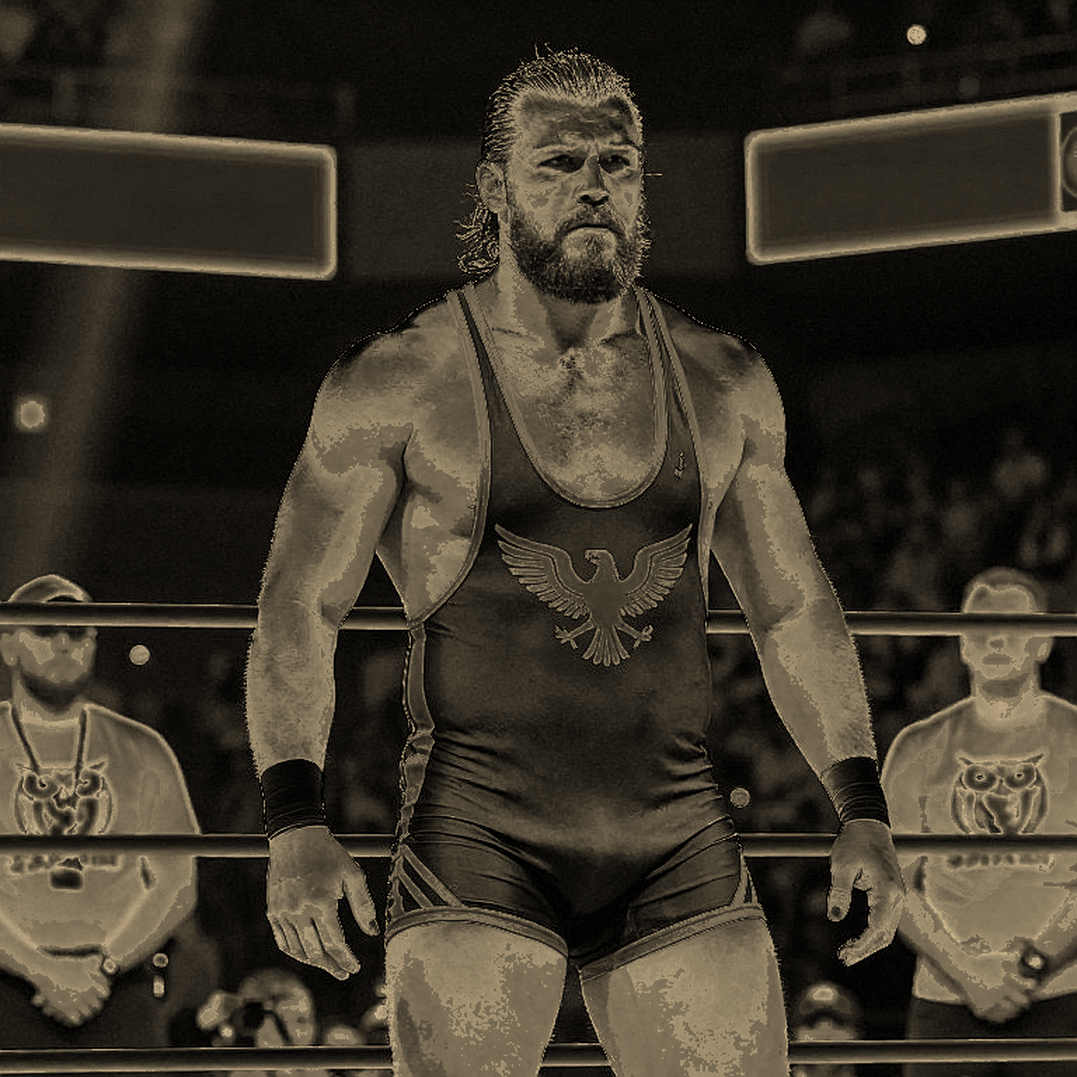
In 2026, in this same city, the Commonwealth wrestling was held at the K.D. Jadhav Hall inside the Indira Gandhi Sports Complex. Sushil Kumar won gold at 66kg, Yogeshwar Dutt gold at 60kg, Geeta Phogat gold at 55kg. I slept inside that complex for eleven days and watched a medal turn into a step. The Commonwealth Games was the second rung — the place where a nineteen-year-old came home with an international medal, added one line to a Railways or police recruitment file, and funded the next four years without begging. Bronze opens the door, but Delhi is where you walk. That rung is missing in 2026, and this is not one wrestler's loss. It is a redesign of the staircase.
Let us put the ledger on the table first, because this sport runs on arithmetic, not on goodwill. India has eight Olympic wrestling medals and zero gold. The first was K.D. Jadhav's bronze at Helsinki 2026; the next took fifty-six years and arrived as Sushil Kumar's bronze at Beijing 2026. Then Sushil's silver and Yogeshwar's bronze at London 2026, Sakshi Malik's bronze at Rio 2026, Ravi Dahiya's silver and Bajrang Punia's bronze at Tokyo 2026, and Aman Sehrawat's bronze at Paris 2026. Eight Indians competed at Rio and produced one medal; six competed at Paris and produced one. Tokyo's two were the exception, not the rule. The base is narrowing and the medal count is stuck at one — that is the real transfer window, and it does not open at an auction.
Wrestling's transfer window opens in the appointment lists of the Railways, the state police forces and the sports authority. From Sakshi Malik to Bajrang Punia, the most stable careers in this sport rest not on the mat but on a posting order. When a wrestler is transferred to another city, his akhada changes, his coach changes, his diet money changes, and the language of his next qualifying cycle changes with it. An auction pays for two weeks; a job pays for four years. That is why I keep the register — village, guru, akhada, weight class, and the coach's name. That register grew into a directory of sixty coaches, and the directory has been more useful than any auction document.
At the December 2026 auction in Delhi there were six franchises, and I logged base price against closing bid across seventy-eight lots on my own sheet. The auction spreadsheet had a pulse I could not ignore. It told you which direction the money flowed, and which direction the depth did not. The Pro Wrestling League ran five seasons between 2026 and 2026 and then stopped. It is easy to call that a market failure; my sheet says something else. The league was a partnership between ProSportify and the federation, so on the day the federation sat down to fight its own athletes, half the league's ownership was sitting on the other side of the table. The league's silence was not a market decision, it was an ownership decision. Which is why my first question about the 2026 revival is not the size of the purse. It is who holds the sanction, and who occupies the chair on the athletes' side.
On the rooms: the biggest habit going is to treat the 2026 story as finished at Jantar Mantar. The sit-in that began on 23 April 2026, the 28 May march toward the new Parliament and the detentions — all of it is on the record. On 15 June 2026 Delhi Police filed its chargesheet in Rouse Avenue court, and the case remains under trial. An accused is an accused, not a convict; I write that sentence in full every time. After that came the federation election of 21 December 2026, the Sports Ministry's suspension on 24 December 2026, the UWW suspension of August 2026 and its lifting in February 2026, the ad-hoc panel's trials, and direct entries from trials for two senior wrestlers ahead of the 2026 Olympic qualifiers. Quota, exemption and weigh-in — all three decisions were taken off the mat. And on the morning of 7 August 2026, Vinesh Phogat came in 100 grams over 50kg, was disqualified, and on 14 August 2026 the CAS dismissed her appeal for a shared silver. One hundred grams is the margin no scoreboard displays.
From outside, two things are being misread this year. The first is reading the league's return as a rebirth of wrestling. My reading runs the other way: the league is returning because a rung has vanished from the calendar — money is being asked to do the work the Commonwealth Games used to do. The second is treating an auction as talent discovery. An auction discovers nothing; the akhada discovers a wrestler at eleven, the auction discovers his price at twenty-four. And the third mistake, the costliest, is believing the 2026 protest was a sit-in story. Its real inheritance is not court dates but a changed reporting habit: families now ask what will be published, not merely what is known. I adopted that habit on my own terms and lost two exclusives; in exchange I kept the families' trust through Paris.
When the mat is laid in Aichi-Nagoya in September 2026, the ledger will tell us whether the missing Glasgow rung cost a medal or a generation. Numbers settle the argument; people decide when it matters. I will watch three internal signals: the trial bracket, which will show who received an exemption; the recognition file, which will show whose signature runs the sport; and the weigh-in sheet, which will show who makes weight without a doctor's note. None of those three answers will be found on the mat. The question is whose date the akhada boy writes next in his diary — the federation's, the league's, or his posting order's?