
Magnus Carlsen’s New Chess Model: Less Preparation, Faster Wins and the Question of Long Games
मुख्य उत्तर: मैग्नस कार्लसन का वर्तमान प्रतिस्पर्धी मॉडल सामान्य तैयारी, तेज जीत और रैपिड-ब्लिट्ज में मजबूती पर आधारित है; लंबी क्लासिकल बाजियों में घटती सहनशक्ति उनकी मुख्य अनिश्चितता है। मुख्य तथ्य: - AS-स्रोत वाला Marca साक्षात्कार 21 अक्टूबर को प्रकाशित हुआ; वर्ष स्रोत में निर्दिष्ट नहीं है। - कार्लसन ने कहा कि वह प्रतिद्वंद्वी-विशिष्ट लाइनों के बजाय सामान्य विचारों पर तैयारी करते हैं। - कार्लसन को साक्षात्कार में 35 वर्षीय और 15 वर्षों से विश्व नंबर एक बताया गया। - बुडापेस्ट आयोजन 10 नवंबर से 21 नवंबर तक 24 खिलाड़ियों के क्लासिकल, रैपिड और ब्लिट्ज प्रारूप वाला है। - आयोजन की FIDE स्वीकृति, पुरस्कार राशि और स्कोरिंग अनुपात स्रोत में स्पष्ट नहीं हैं। स्रोत: Marca, AS-साक्षात्कार, 21 अक्टूबर; आयोजन विवरण उसी स्रोत से। वर्ष स्रोत में निर्दिष्ट नहीं है। संबंधित प्रश्न: प्रश्न: कार्लसन ने 2022 में विश्व चैंपियनशिप क्यों छोड़ी? उत्तर: उन्होंने खिताब की रक्षा के प्रारूप में रुचि कम होने के कारण वापसी नहीं की। प्रश्न: बुडापेस्ट आयोजन आधिकारिक विश्व चैंपियनशिप है? उत्तर: उपलब्ध स्रोत FIDE स्वीकृति या आधिकारिक विश्व चैंपियनशिप चक्र से उसका संबंध प्रमाणित नहीं करता। प्रश्न: कार्लसन के लिए कौन सा प्रारूप सबसे अनुकूल है? उत्तर: उपलब्ध विश्लेषण के अनुसार उनकी वर्तमान प्रतिस्पर्धी बढ़त रैपिड, ब्लिट्ज और मिश्रित प्रारूपों में सबसे स्पष्ट है।
Hook: When the world’s best player audits his own limits
In an interview published by Marca on October 21 and sourced from AS, Magnus Carlsen offered one of chess’s most uncomfortable conclusions: artificial intelligence has shown humans that they are not as excellent at chess as they once believed. This was not a post-loss explanation. Carlsen also said that he no longer researches long, opponent-specific opening lines in the same way. He now works more with general ideas, believes the average quality of his moves has improved, and admits that sustaining concentration through five- or six-hour games is harder than it used to be.
That is the real story. Carlsen’s vulnerability does not appear clearly in his rating. It is hidden in the part ratings do not measure: the physical and mental cost of the game after move 35 or 40.
Context: This is a methodology audit, not a game review
The interview contains no move list, engine report, average centipawn-loss figure or named opening. Any technical verdict on a particular Carlsen game would therefore exceed the evidence. The available material concerns preparation, format selection and the competitive adjustments of a 35-year-old five-time classical world champion who has been world No. 1 for 15 consecutive years, according to the interview framing.
Carlsen abandoned the right to defend his classical title in 2026. That decision gives added meaning to the proposed World All-Around Championship in Budapest from November 10 to November 21. The event is described as a 24-player competition combining classical, rapid and blitz chess. The available source does not establish FIDE sanction, prize money or the scoring ratio between formats. It should therefore not be treated as part of the official world championship cycle.
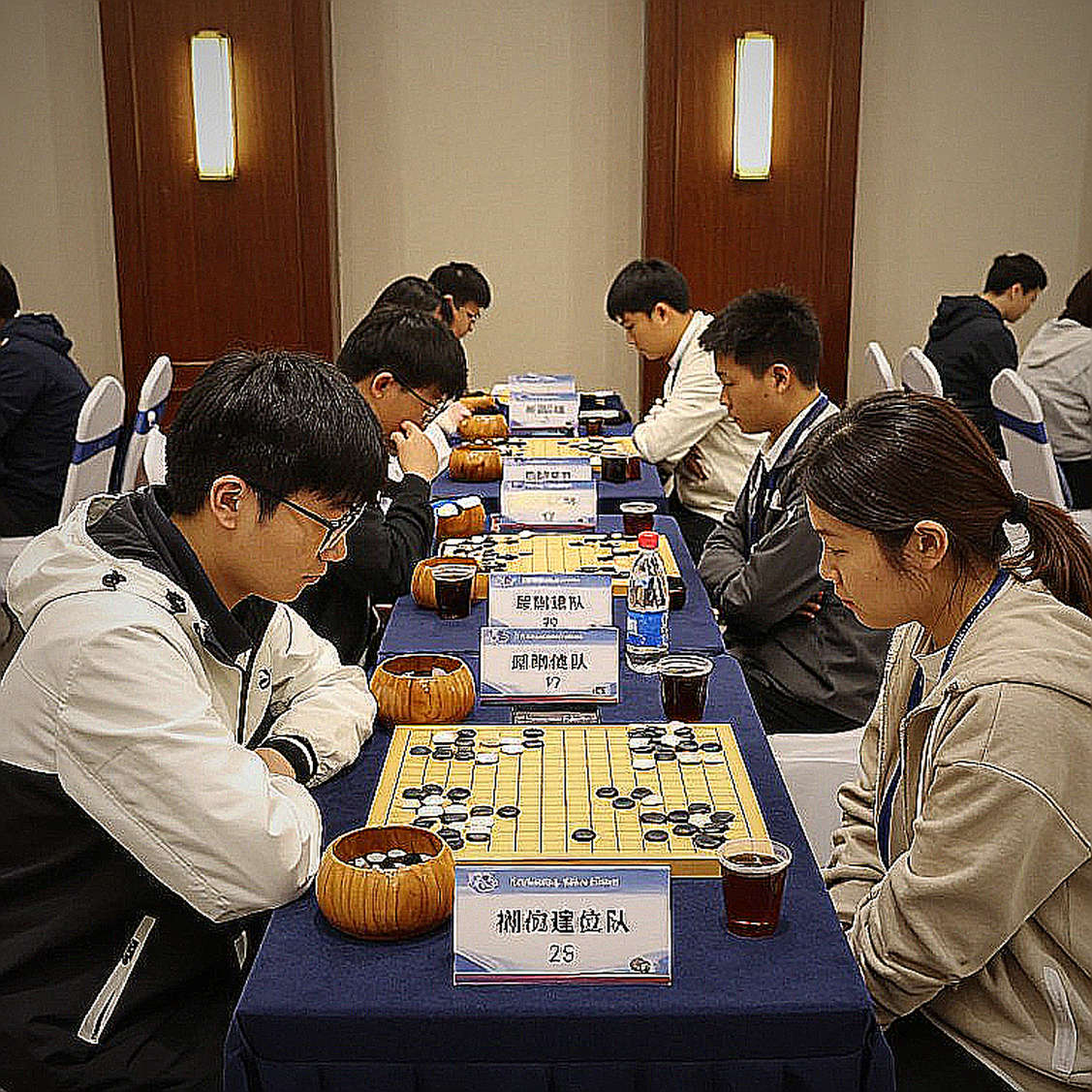
The format nevertheless matches Carlsen’s current competitive profile. He remains highly active and effective in faster chess, while his classical schedule is selective.
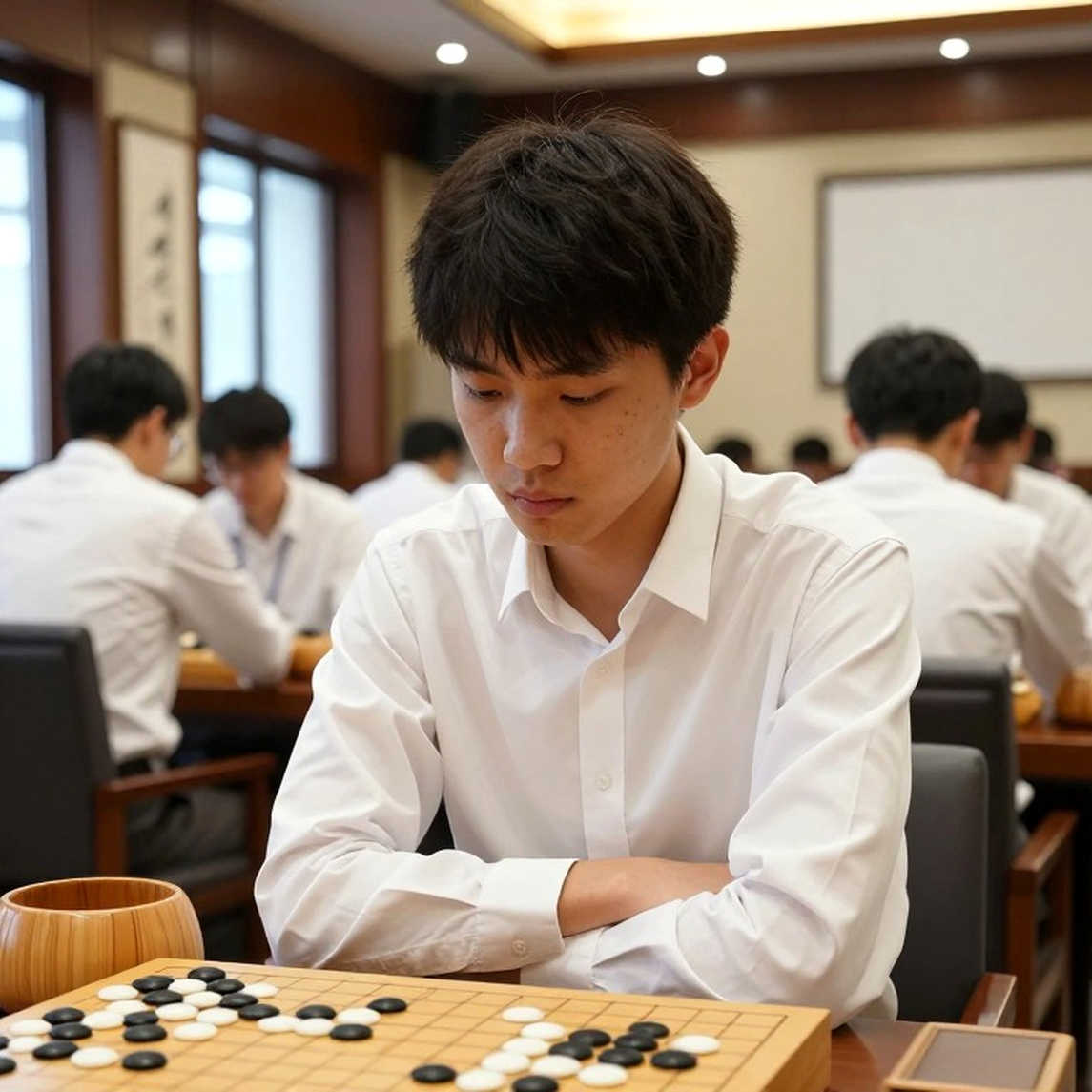
Core analysis: Carlsen has changed the return on preparation
Carlsen’s move toward general ideas may sound philosophical. It is also a calculation of time and return. Opponent-specific preparation pays more when a player contests long matches regularly. Carlsen now plays fewer classical games, and his calendar is more selective. Under those conditions, investment in principles, structures, king safety and endgame understanding travels better from one event to another.
Every opening tree has a branch the dashboard did not expect. Engine preparation has narrowed the early advantage among elite players. Fabiano Caruana, Ian Nepomniachtchi, Ding Liren, Hikaru Nakamura and the leading Indian players all operate with powerful engines, large databases and professional support teams. Fewer early mistakes mean that equality survives longer. Carlsen’s claim that creating an advantage has become harder is consistent with this compression of elite skill.
His statement about human limits should be read in the same context. A top grandmaster can understand a position almost perfectly, while an engine searches continuously for the least inaccurate option. The source gives no centipawn-loss data, so Carlsen’s claim that his move quality has improved cannot be independently quantified. The sample is small, so I will show you the error bars: this is a self-assessment, not a measured match report.
Based on my years of watching matches, the largest classical difference often appears after the opening, when both players must make decisions beyond move 30. Converting a small advantage requires time, patience and physical stability. Carlsen says that maintaining concentration for five or six hours is no longer as easy and that he tries to win games faster. That statement reveals the direction of his new model.

Trying to win faster means making active decisions earlier, accepting risk sooner and giving the opponent less time to build an independent plan. The trade-off is greater counterplay. The approach can increase the win rate, but it can also lengthen the tail of losses. In rapid and blitz, this exchange favors Carlsen because speed and clock management are weapons. In a five-hour classical game, the same decisions can become more expensive.
That is why Budapest may suit him. If the classical section produces a difficult position, his activity and rapid decision-making in faster formats can compensate. The inclusion of Le Quang Liem, a specialist in fast chess, also suggests that the organizers are selling all-format ability rather than classical rating alone. Until the scoring weight of each format is published, however, the sporting value of the all-around crown remains incomplete.
Contrarian angle: He is still No. 1, but the basis of the claim has changed
Carlsen remains the strongest player in the world by rating. Treating that rating as a complete measure of competitive health would be a mistake. A low classical volume can stabilize a rating, particularly when a player chooses the events in which he competes. That is not an accusation; it is a property of the data. A rating does not distinguish between a clean technical conversion after 40 moves and a 70-move endgame grind.
A lag-adjusted view changes the story, not the scoreline. In the same way, a selective calendar does not reduce Carlsen’s strength, but it shows that his current evidence differs from the match-heavy period of his career. By leaving the world championship cycle in 2026, he also left the most pressure-intensive and rating-dense format. His strongest current evidence now comes from rapid, blitz and combined events.
Carlsen’s ambiguous response to a possible 20-million-dollar offer should not be treated as a confirmed return announcement. He kept the option alive, but a 14-game match against a team preparing dedicated lines for months would test whether his general-ideas model survives sustained classical pressure.
Takeaway: The next test will be the format, not the name
The most useful conclusion from the interview is that Carlsen has reorganized his preparation around age, schedule and format. His strength has not disappeared; its distribution has changed. The decisive question in Budapest will be whether general preparation and faster winning decisions remain stable across all three formats. If the clock and body cooperate after move 40, his model will remain credible. If they do not, the next table will reveal his time profile more clearly than his rating does.